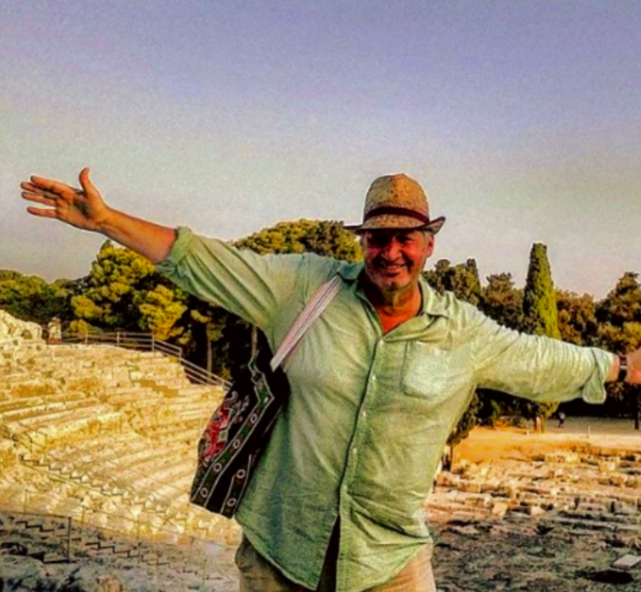
Daniel in SICILY
At The TEATRO GRECO - SIRACUSA
2017
Who is DANIEL BELLINO ZWICKE
Daniel Bellino-Zwicke? Who is he? He's a Best Selling Cookbook Author and one of New York's Big Dogs of Italian Wine, a former Chef of such restaurants as; Woods on Madison, Corrado, and Bar Cichetti ... Daniel studied Hotel / Restaurant Management at New York Technical in Brooklyn .. Besides being the chef at the previous named restaurants, Daniel worked with Michel Fitoussi at the famed Palace Restaurant in the late 80's as well as at the Odeon under the great Patrick Clarke.
Daniel got out of the kitchen in the late 90's to become The Maitre'd at the uber hot # 1 Celebrity Hot Spot in New York at Da Silvano Ristorante where he took care of people like; Keith Richards, David Bowie, Paul McCartney, Uma Thurman, Richard Gere, Joe Pesci, Robert DeNiro, Calvin Klein, Nick Pileggi, Nora Efron, Graydon Carter, Gwyneth Palthrow, Madonna, Lucy Lui, and-on-and-on, the list is way to long to name them all.
Daniel took care of the high-flying clientele and "so called" Top People in The Worlds of Fashion, the Record Business, Publishing, along with Movie Stars and Rock Stars . Daniel is known for his easy going ability of taking care of all the big stars needs in a casual attentive manner without being intrusive in any way, and are the reasons he is well-known to so many Movers & Shakers of the World.
Daniel had made quite a name for himself as the creator and Executive Chef / Wine Director and Managing Partner of Bar Cichetti, the 1st ever Venetian Wine Bar (Bacaro) in America, which was Daniel's proud creation. As Chef / Wine Director of Bar Cichetti, Daniel firmly established himself as one of New York and America's Top Italian Wine Guys .. He is personal friends with most of Italy's top wine producers, the likes of; Marchese Ferdinando Frescobaldi, Sebastiano Rosa winemaker of Sassicaia, Marchese Piero Antinori (proprietor) of Antinori Wines, Giovanni Folnari of Nozzole, Gianlucca Grasso, Gianpaolo Venica, Cavalier Luigi Cappellini of Castel Verrazzano, the Conte Capponi Sebastiano and Nicola Capponi. Just like all the Movie Stars & Rock Stars that Daniel knows, the list of Italian Wine Luminaries is even greater.
As we've already stated, Daniel left restaurant kitchens behind to become a noted Italian Wine Guy and Maitre'd who has a reputation of dealing with a high-profile clientel. But not only them of course, there's everyone else, shall we call them the regular folk? Hey, they make up the bulk of any restaurant business, not the celebs, though celebrities help to draw in everyone else. Daniel will take good care of you as a number of his clients we have interviewed will tell you. He friendly and quite personable and really knows his stuff.
Daniel has great passion for the food and wines of Italy that's almost impossible to duplicate. Frankly, Daniel is one of the best. He can tell you wonderful stories about the wine you are drinking; its history, who the owners and people who make the wine are (his Friends). His trips to all these Wine Estates all over Italy have given him the experiences that he conveys to his many clients. And Daniel's knowledge and passion for the food is equal to that of his vast knowledge of Italian Wine. Often you'll be drinking a bottle of Italian Wine that Daniel suggests and he'll pull out his iPhone and show you pictures of the people who own the estate and make the wine. One example would be Daniel's good friend Luigi Cappellini who owns Castello Verrazzano in Greve in Chianti (Tuscan) Italy. He'll show you pictures of him and his cousins Anthony & Joe at Verrazzano when Daniel took them there and they stayed on the property and ate breakfast and dinner in the castle, while drinking the great wines of Castello Verrazzano.
.
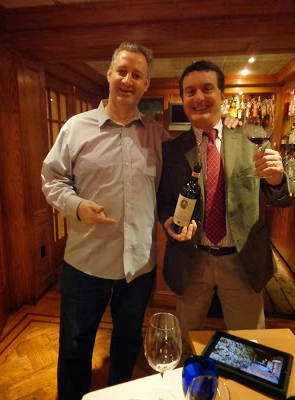
Daniel Bellino-Zwicke with Luigi Cappellini
of Castelo Verrazzano
After 5 years at DaSilvano, Daniel went on to become the Wine Director of Barbetta Restorante on West 46th Street in New York to head up the Greatest Italian Wine List in all of America. Daniel says, "the cellars are amazing." Places like Babbo and Del Posto (now closed) get more press for having great Italian Wine Lists, which they do, but Daniel says, "The Wine List of Babbo & Del Posto are awesome, but in comparison to Barbetta, they are akin to Childs-Play." No exaggeration, merely fact Daniel says. And within that Wine List which is the Greatest Italian Wine List in all of America, is the Barolo / Barbaresco section of which Daniel says is the greatest Barolo list in the World with its many Verticals of all the great Barolo Crus, like, Vietti Barolo Brunate and Lazarito, Cerretto Bricco Roche Bricco Roche, Marcarini Brunate, Michele Chiarlo Cerequio, Aldo Conterno Grand Bussia, Giacomo Conterno Barolo "Monfortino" Giacamo Conterno "Francia," Mauro Veglio's Barolo Rocche dell’Annunziata, Contratto Barolo "Cerequio," Elio Grasso Ginestra and more ...
Daniel said he was quite fortunate in his job as Wine Director of Barbetta for 5 years as he was able to taste and drinks so many of these great Barolo Crus of various vintages, as well as all the multi vintages of Barbaresco, Amarone, Brunello, Super Tuscans, Champagne, and the all the top California Cabernets and Meritage Blends such as Opus One and Insignia.
Daniel had been writing for years, mostly essays, articles, and short stories. He wrote his first book La TAVOLA while he was at Barbetta in 2006 .. He said that 85% of the book was written in about 6 weeks time (quite fast), however he edited, polished it up and worked on it for another year before trying to get it published, which took five years. Actually La Tavola was published in June of 2012, followed by The FEAST of The 7 FISH which is the top selling cookbook of its genre.
Daniel published Got Any Kahlua? The Collected Recipes of The Dude in the Summer of 2013, followed by SUNDAY SAUCE which has been a # 1 Best Seller Italian Cookbooks on Amazon for 5 months ... Daniel published another # 1 Best Seller in June of 2014 with SEGRETO ITALIANO / Secret Italian Recipes & Favorite Dishes ..
Daniel says he's currently working on a book on Chianti one of his great passions, as well as another Italian Cookook and an American Cookbook, all yet to be named ..
.
INTERVIEW by Michael Roma
.
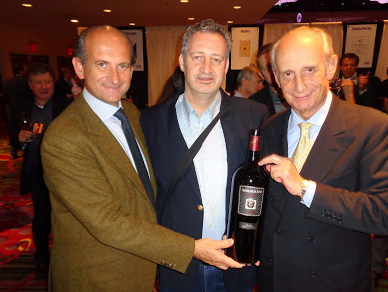
Marchese Lamberto Frescobaldi
with Daniel Bellino-Zwicke and
Lamberto's Father - Marchese Leonardo Frescobaldi
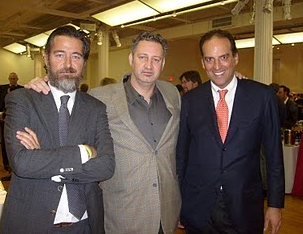
Sebastiano Rosa (Winemaker of SASSICAIA)
Daniel and Giovanni Folnari of Nozzole
BOOKS by DANIEL BELLINO ZWICKE
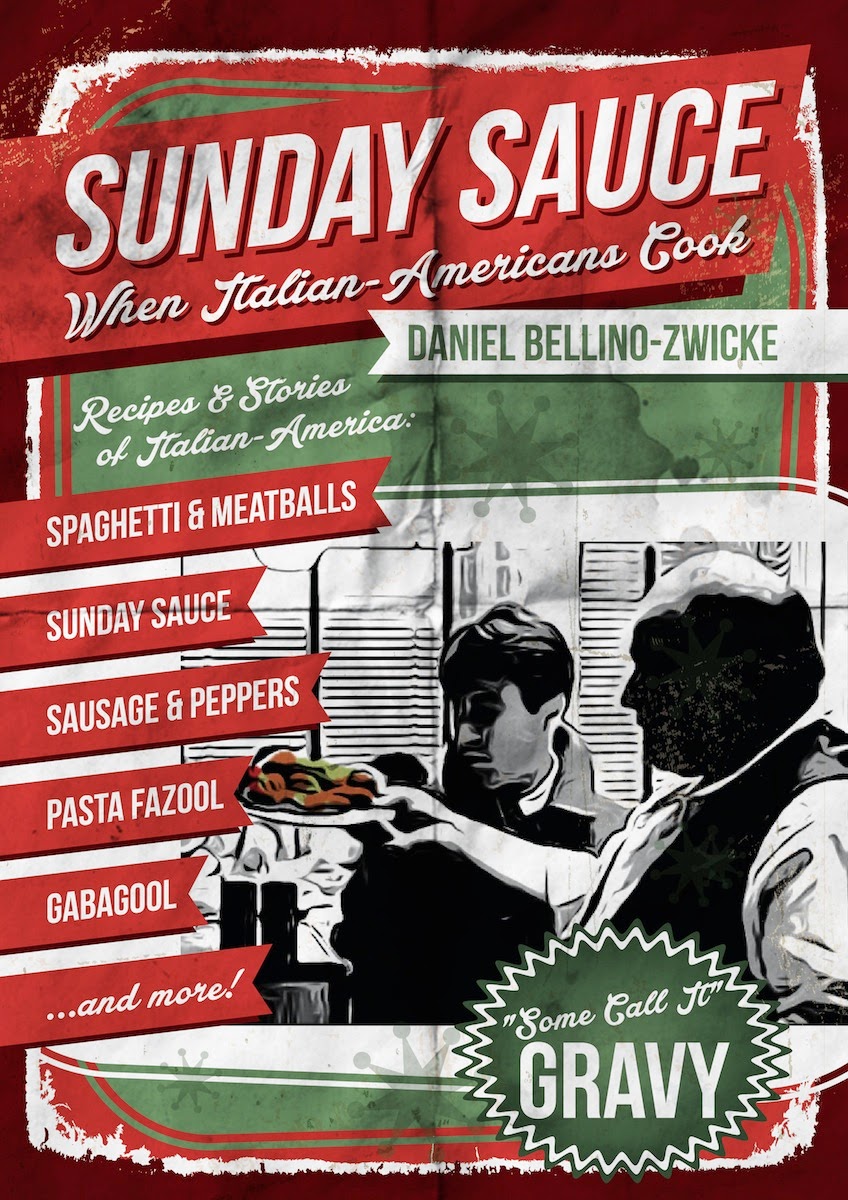
SUNDAY SAUCE
WHEN ITALIAN-AMERICANS COOK
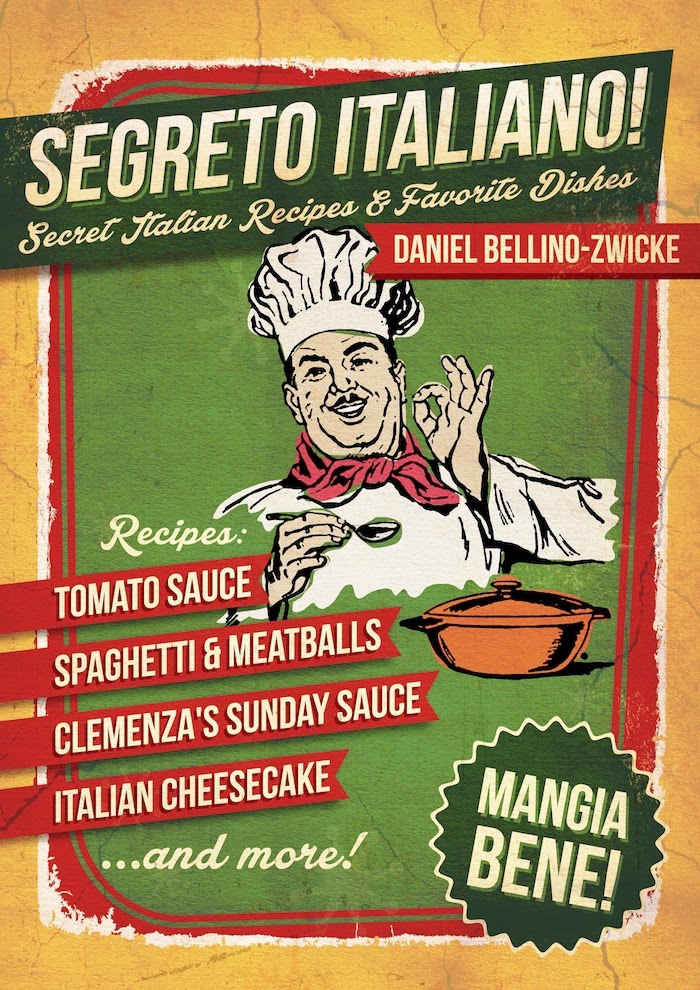
SEGRETO ITALIANO
Secret Italian Recipes
POSITANO The AMALFI COAST
TRAVEL GUIDE - COOKBOOK
POSITANO The AMALFI COAST
Travel Gudie- Cookbook
Positano The Amalfi Coast Cookbook / Travel Guide is the latest by Best Selling Italian Cookbook Author Daniel Bellino Zwicke. It was just published on February 11th 2021 and is already a Best Seller in Italian Cookbooks and Travel Books as well. Author Daniel said that he is quite happy of the early success of the book POSITANO and hopes it continues and grows, and Daniel asked us to say hello and thank all of his loyal readers both old and new.
Daniel has mad a companion Website to POSITANO The AMALFI COAST COOKBOOK & Travel. The website is calledPositano-Amalfi-Coast and can be reached by clicking this Link @ Positano-Amalfi-Coast.com
Daniel said he made the website as he realizes that people love pictures in books, and as his books normally do not contain pictures, he made the site to fulfill this need, as the website has hundreds of beautiful pictures of Capri, Positano, Naples, Minori, Ravello, and the rest of the Amalfi Coast of Southern Italy. As well as having these pictures, excerpts and recipes from the book at the publication of the book, the website will be ongoing and will continue to have new pictures posted to it, along with articles, news, and ongoing pertinent information on Naples, Positano, and the Amalfi Coast of Italy.
Note : If you are on the Kindle Edition of Positano The AMalfi Coast Cookbook / Travel , you will be able to reach the website Positano in a Link inside the Kindle Book
.
.
.
The RAGU BOLOGNESE COOKBOOK
The WORLD'S BEST RECIPE
RAGU BOLOGNESE

SINATRA SAUCE
The COOKBOOK
Daniel Bellino "Z"
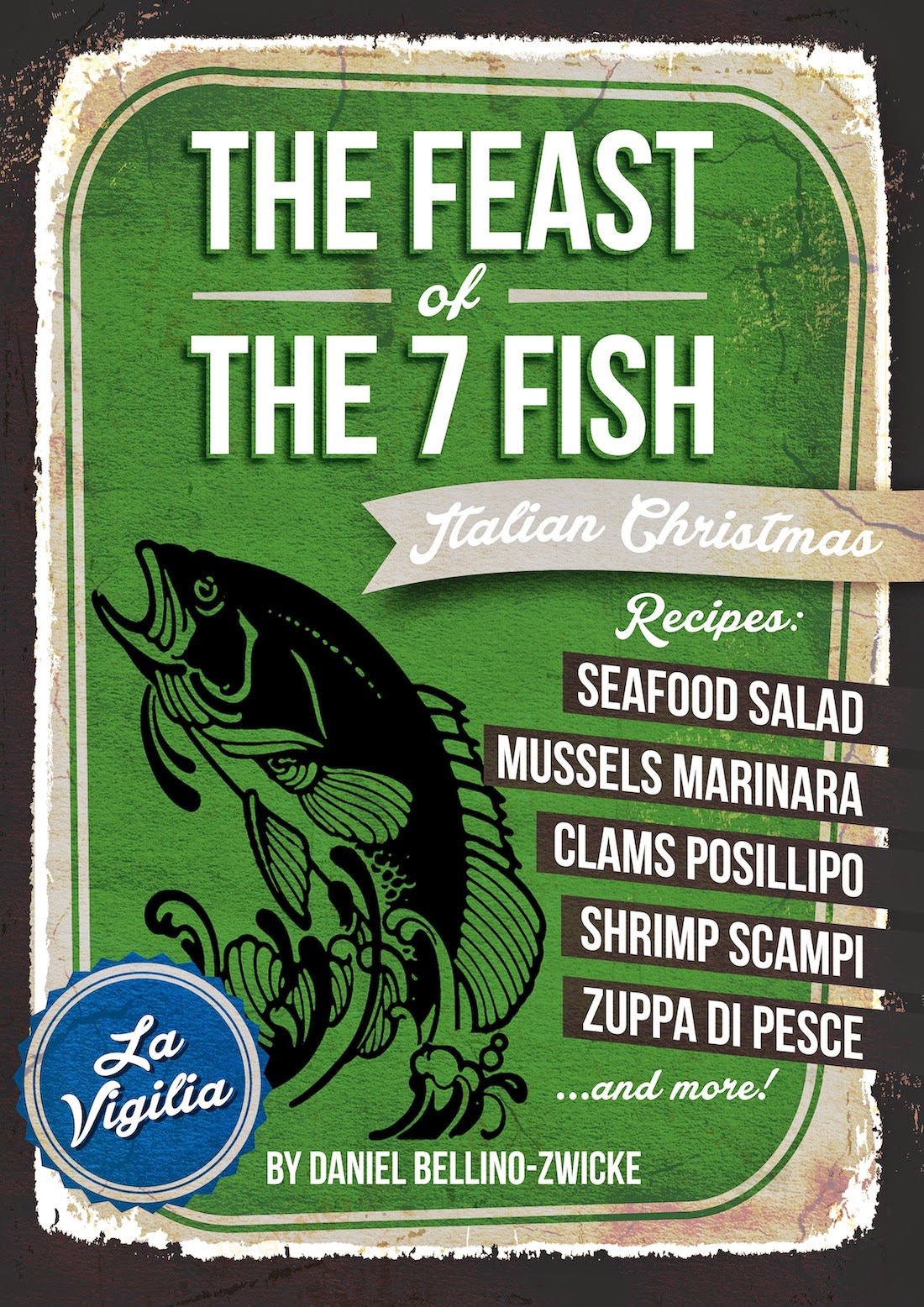
The FEAST of The 7 FISH
ITALIAN CHRISTMAS
.
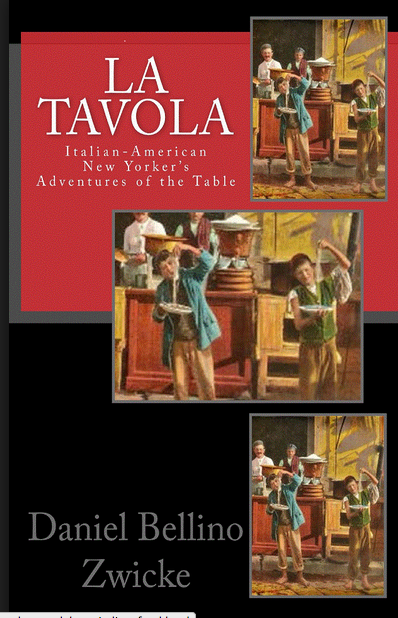
La TAVOLA
ITALIAN-AMERICAN NEW YORKERS
ADVENTURES of The TABLE
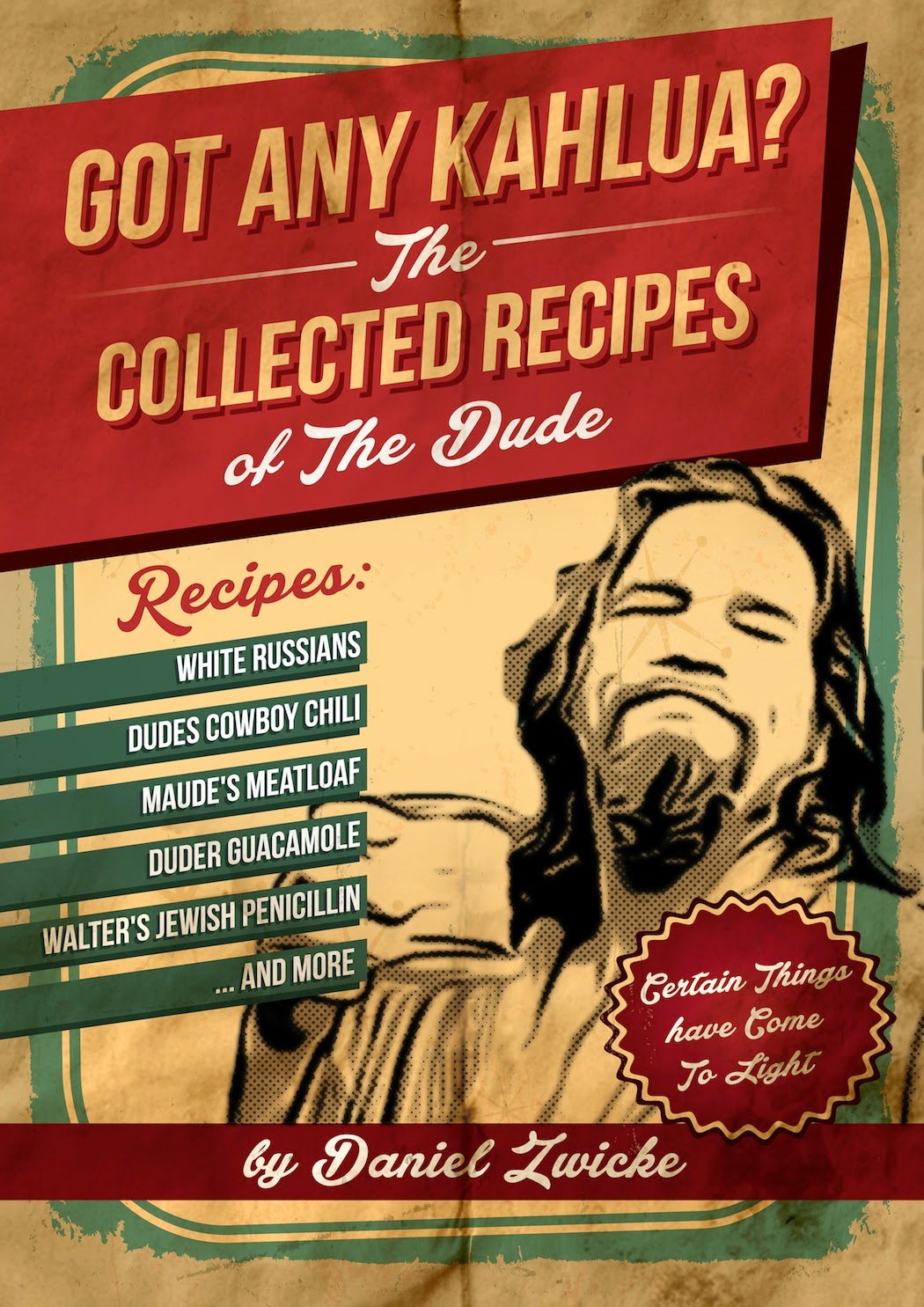
GOT ANY KAHLUA ?
aka The BIG LEBOWSKI COOKBOOK


