Author Daniel Bellino Zwicke
BACK on CAPRI
NAPLES and The AMALFI COAST

My ESPRESSO
BAR DUE GULFI
CAPRI
ISCHIA
.

Catch of The Day
I was lucky to catch these two Fishermen bringing in their fresh Catch of The Day, as locals were at the dock to buy the freshest fish humanly possible, directly from these two fine gentlemen, who had a scale on board to weight the fish. This was quite awesome to witness, and was one of the highlights of my trip.
These fishermen had quite a good variety of several different kinds of local fish, and their were about 6 local men there to buy fish from them. It was quite an animated scene as thee fishermen quoted prices of the various fish, and the buyers argued with them over the price, and the two sides bickered back and forth before a final sale was mad.. It was all in good fun, and I totally enjoyed the show.
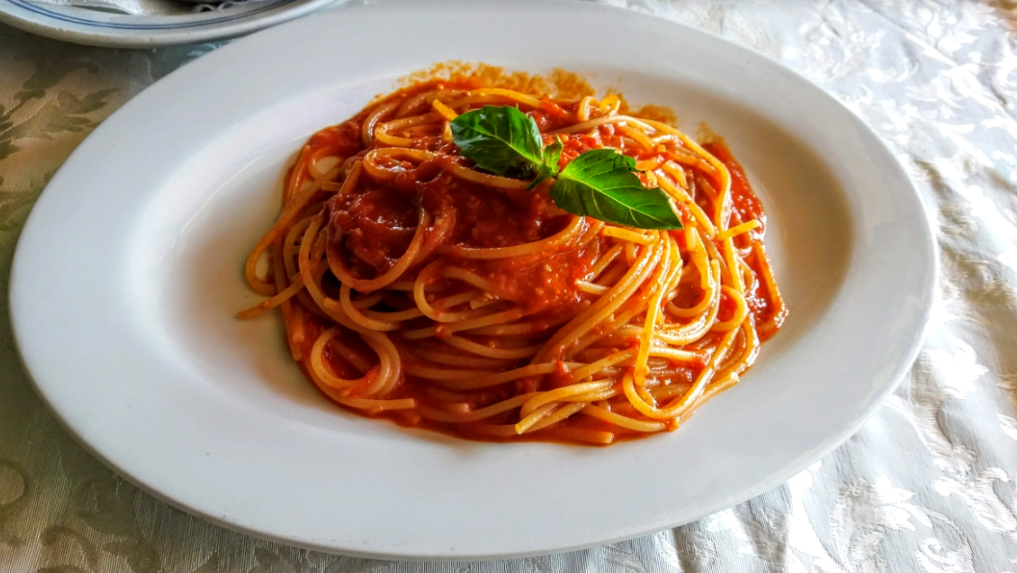
A PERFECT PLATE of SPAGHETTI POMODORO
.
A TRATTORIA in ISCHIA
.
.

My Hotel in Ischia
.
Hotel Villa Melodie
.
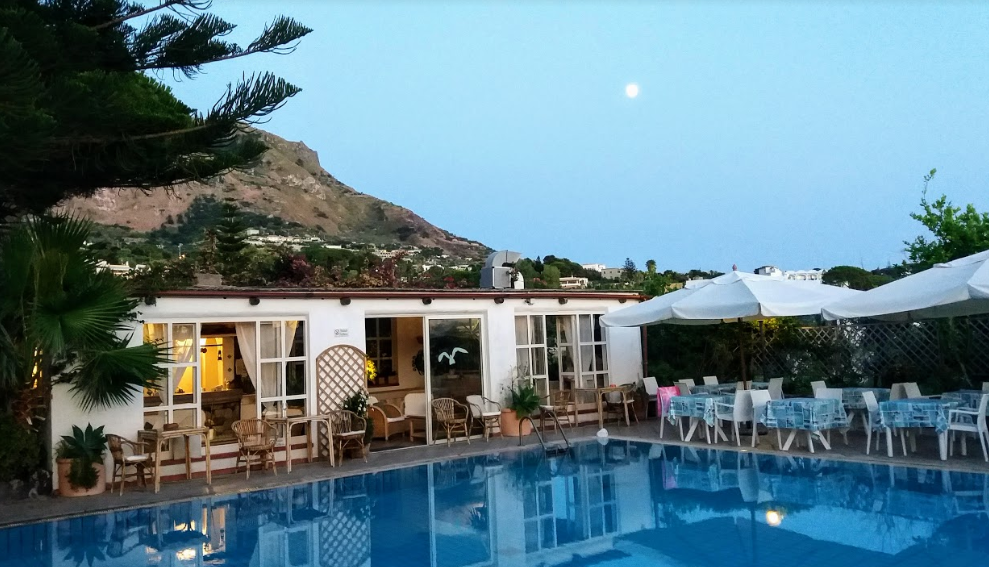
The POOL at The HOTEL VILLA MELODIE ... ISCHIA
If You're Looking for a Nice affordable Hotel that has a Great POOL
The HOTEL VILLA MELODIE in FORIO , ISCHIA is a Great Choice
"I Just Loved It"
.

.
Orange Juice Guy
Sant Angelo , Ischia
This Guy makes the Best Dam Fresh Squeezed OJ Ever !!!
Awesome LEMONADE Too !!
.
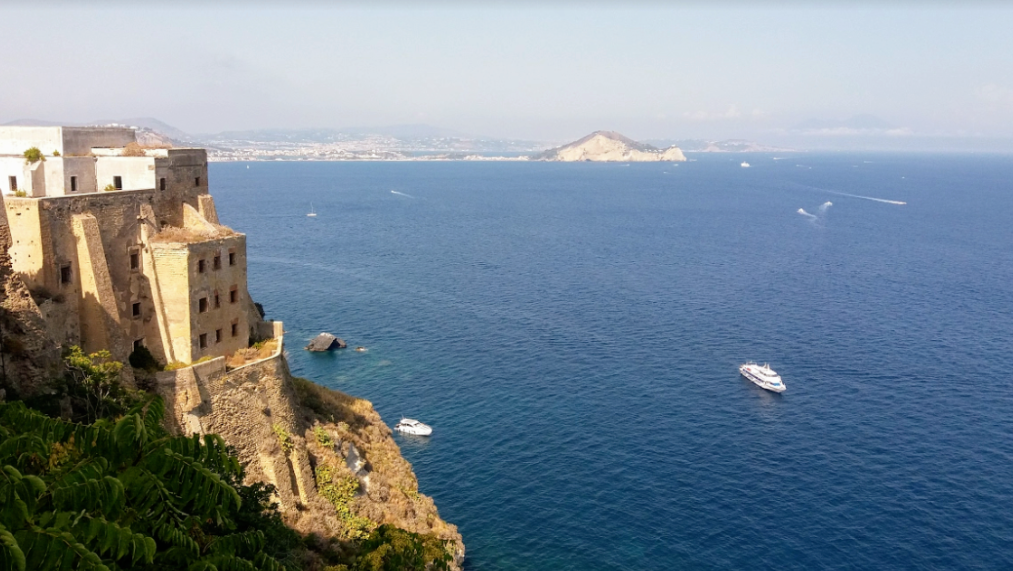
Procida
View From The Top
Looking to Monte Procida and Sorrento
.
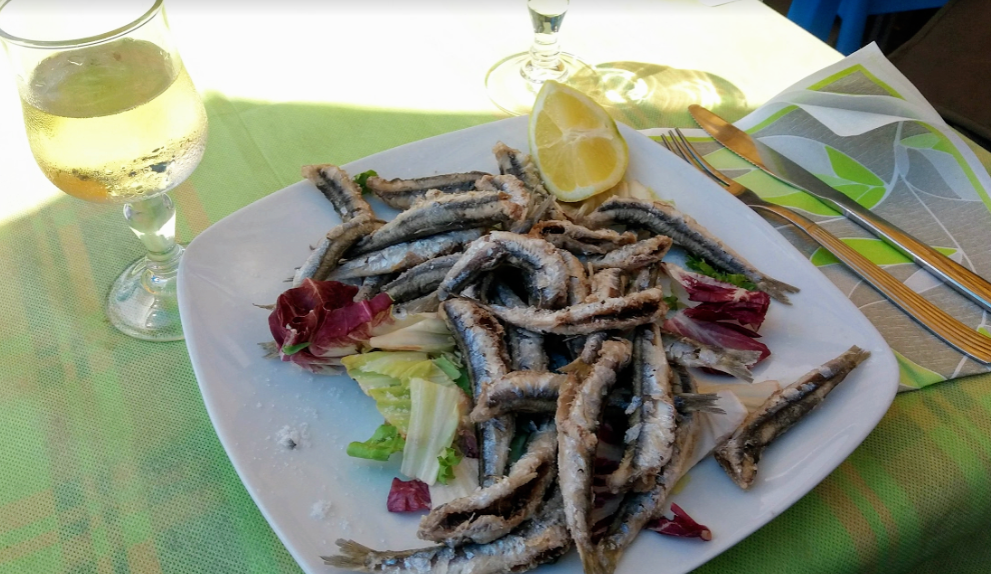
Lunch at La Piazzetta Trattoria / Pizzeria
PROCIDA
ALICI FRITTI & a Glass of BIANCOLELLA
This was one of my Favorite Dishes of The Trip, "Absolutely Delicious"
.
.

.
COOKING ITALIAN
.
GREATEST HITS COOKBOOK
.
RECIPES of NAPLES & The AMALFI COAST ITALY
.
 .
.
RECIPE SPAGHETTI TOMATO SAUCE
.

Looking Down to Marian rand Capri
From Top of The Phoenician Stairs in Anacapri
Photo Copyright Daniel B. Zwicke
.

My Old Stomping Grounds in Capri
The Hotel La Palma
A Wonderful Hotel with Reasonable Prices
And a Great Location in Capri
.
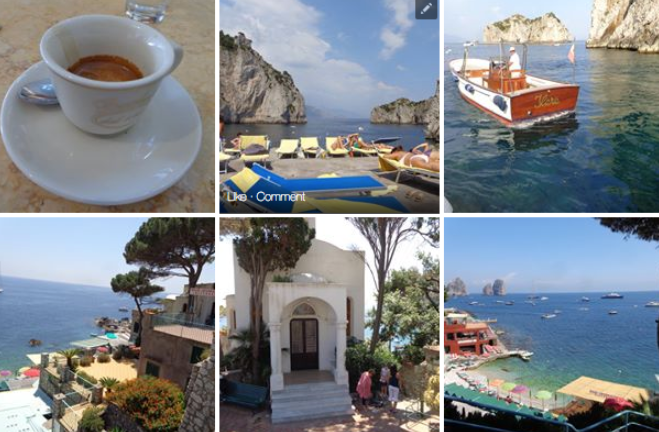
Capri Montage
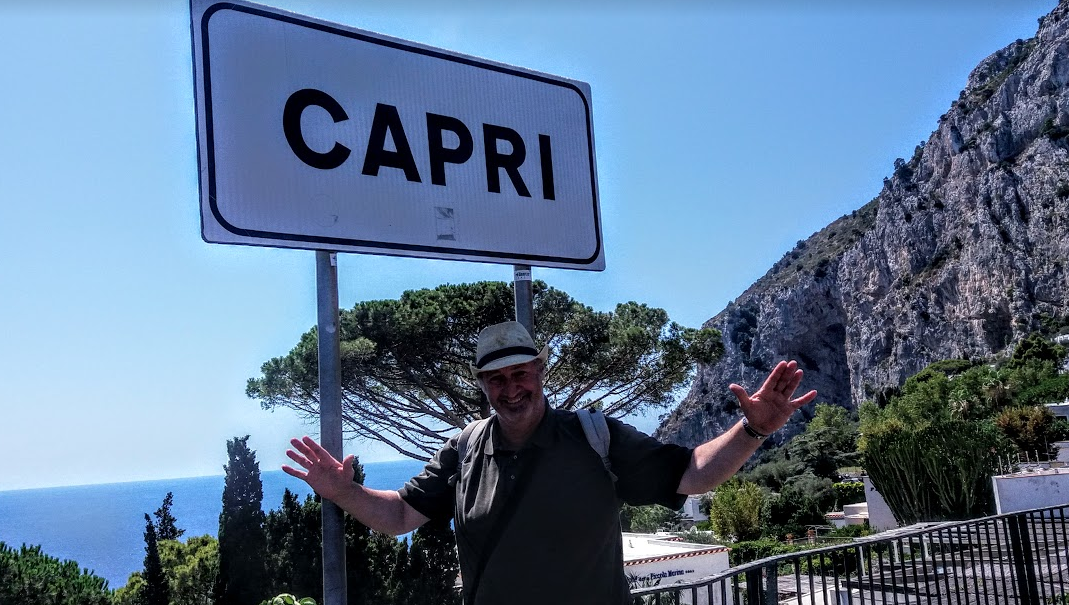
Author Daniel Bellino Zwicke in CAPRI
Espresso, Da Luigi Beacch Club at The Faraglioni Rocks (Daniel's Favorite Beach)
Shuttle Boat at Da Luigi to Marina Picolo, Marina Picolo, Chapel at Marina Picolo
At Marina Picolo looking to the famed FARAGLIONO ROCKS of CAPRI
.
.
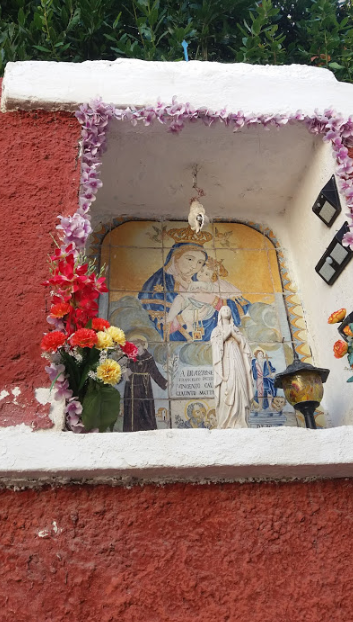
Virgin Mary
ISCHIA
.

.
Gaetano making me a Perfect ESPRESSO
HOTEL PLAZA
SALERNO
The Hotel Plaza in Salerno s a wonderful hotel. The location is great, being across the from the Train Station and just 3 blocks from the marine terminal where you can catch Ferry Boats to Capri, Sorrento, Ischia, Positano, Amalfi, Cetara, and all points on the Amalfi Coast. You can catch trains to Naples and be there in just 30 minutes.
Gaetano whose family owns and runs the hotel is an absolute Gem. Love that guy. He is so very kind and hospitable and wil make you feel like family, and if you get to know him, you will might be lucky to have him make you a perfect Espresso personally on his prized Espresso machine that he loves dearly. I was so lucky for this, but most of all, I was so fortunate to have a few lovely conversation with Gaetano, he is as I have said a gem, and I will cherish and always remember spending a little time with him and having those nice conversations. "Thank you Gaetano, you made my stay at your family's hotel in Salerno so very special.
GAETANO Makes Me ESPRESSO
WATCH The VIDEO !
.
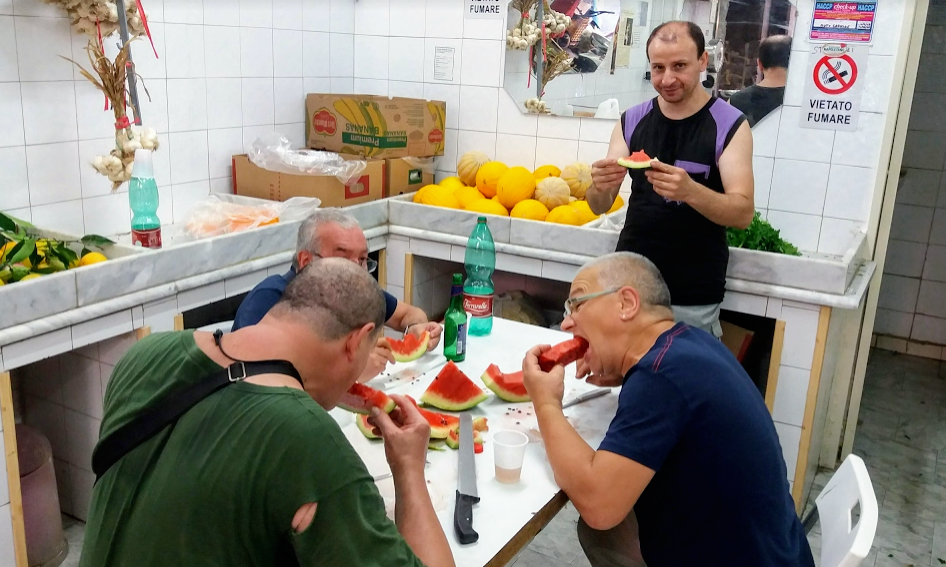
EATING WATERMELON in NAPLES , ITALY
NAPOLI
These Guys Invited Me into Their Little Party at their FRUIT STAND in NAPOLI
We ate WATERMELON and Drank LYCRIMA CHRIST WINE
"I Had a Great Time
One of the HIGHLIGHTS of my TRIP

My PIZZA
Di MATTEO
NAPOLI
[youtube=https://www.youtube.com/watch?v=38inQJVqtq0&w=320&h=266]
PIZZERIA Di MATTEO
NAPLES
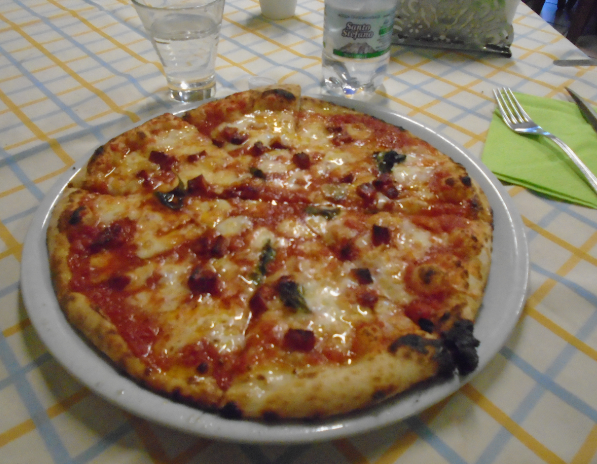
PIZZA
L,ARCHETTO
SALERNO


BACK in POSITANO
August 2019
.
.

Positano
Walking up the Via Pasitea
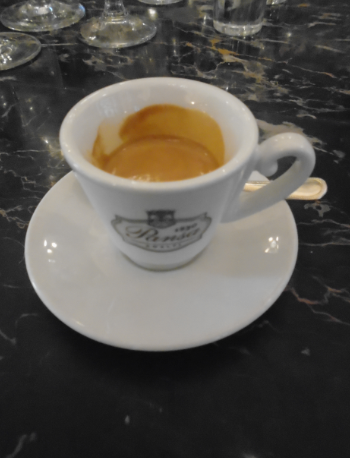
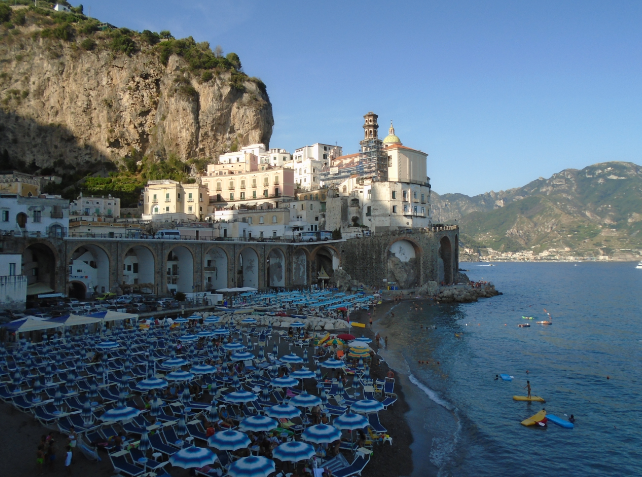

La TOSCA
CAPRI
La TOSCA is a nice little hotel behind the Quissisana. I first stayed here in 1986 when it was just a modest little pensione and one of the most affordable places to stay in Capritown, Capri, at just about $40. It is still owned by the same family, but is now new a more upscale little boutique hotel. It is situated in one of thee nicest parts of Capri, behind the Quissisana, the Carthusian Monastery, and by the Gardens of Caeser Augustus.

BARMEN
CAFFE GAMBRINUS
NAPOLI
.

My CAFFE GAMBRINUS
"HOUSE SPECIAL COFFEE"
At CAFFE GAMBRINUS
NAPOLI
Caffe Gambrinus is a historical Italian caffe in Central Naples at the Piazza Trieste near the grand Piazza Plebiscito. The Caffe is decorated in the Grand Art Nouveau style, and was founded in 1860 by Vincenzo Apuzzo. The caffe serves traditional Neapolitan Espresso, Cappuccino and their House Specialty Caffe Gambrinus coffee.
"Most Famous COFFEE in ITALY"
.

View From PENSIONE MARIA LUISA
One of the most affordable places in POSITANO
The AMALFI COST

Mario & Esperanza
.
.

Me & Mario
Hanging at The Pool of The Hotel Poseidon
POSITANO , ITALY
August 9, 2019
Swimming and Drinking Aperol Spritz 's
All Afternoon
Me Mario and his Wife Esperanza had a great Day
Probably the # 1 Highlight of my entire Trip
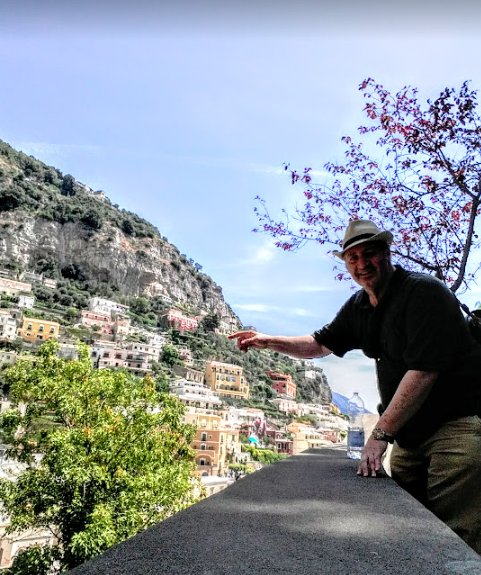
.
Holding Up The Hill
POSITANO
2019

AMARI
At BAR MONZU
ISCHIA PONTE
Summer 2019
I had a great time twice in one day at this awesome little bar in Ischia Ponte, Ischia, Italy. I was going to the Aragonese Castel nearby and came across this cute little Italian Bar, right after I had a great few moments watch ( and filming) a couple local Fishermen bringing in their catch of the day. I had to go to the bathroom so I went into Monzu to get an Espresso. I told them I needed to use thee bagno first, and I did, then came out and got a wonderful demi tasse of that great Italian Espresso coffee (Worlds Best). The I made my way to the castel and had a great half day there, with beautiful views of Ischia and Ischia Ponte, along with some great local history. .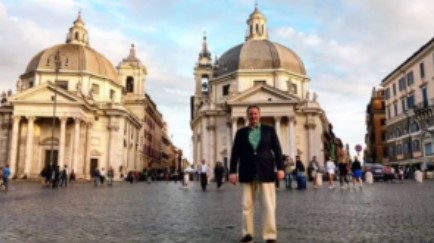
Me t PIAZZA del POPOLO
ROME

FIAT 500
CINQUECENTO
POSITANO
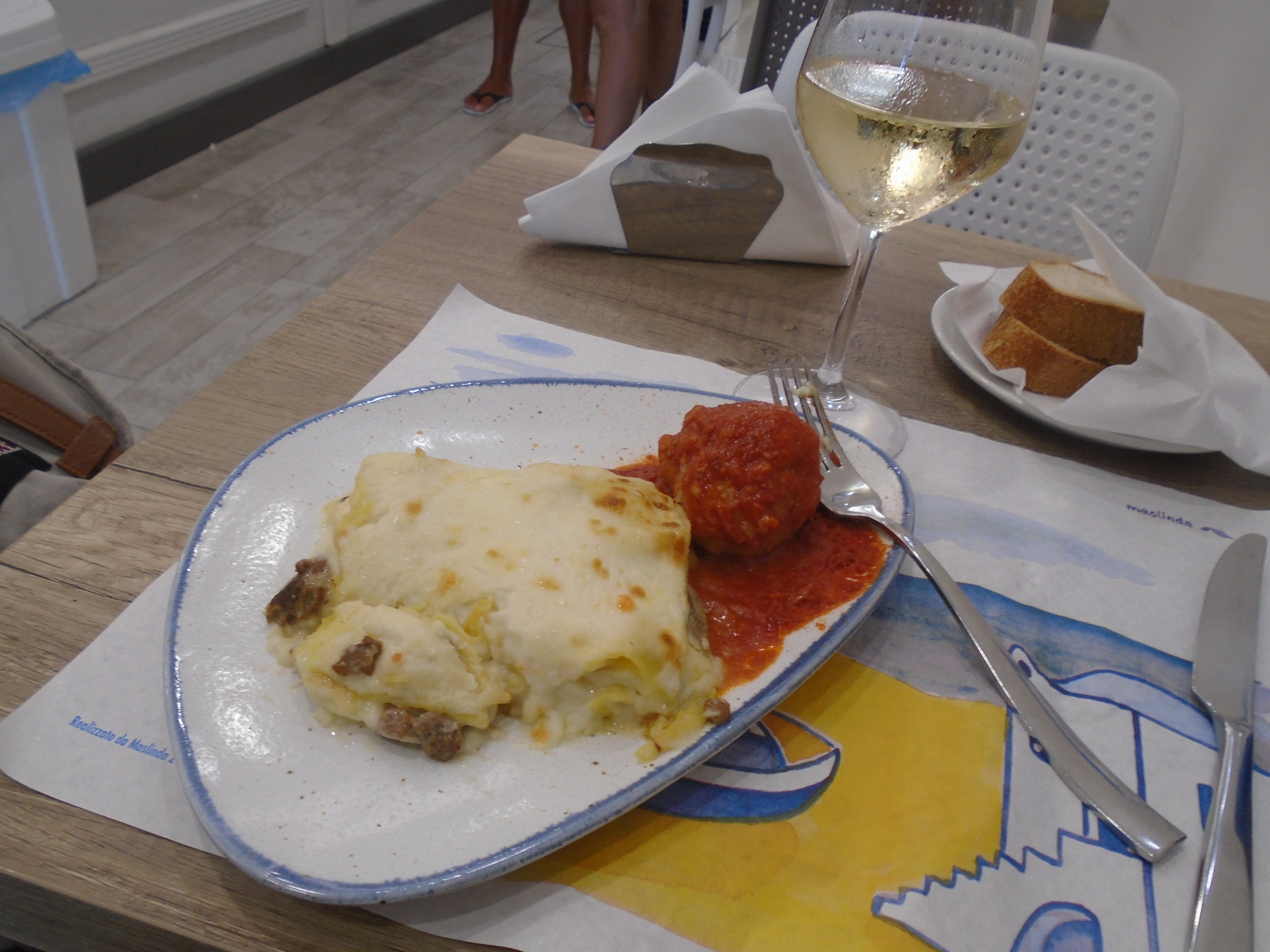
LASAGNA della CASA
POLPETTE
e BIANCOLELLA
BAR MONZU
ISCHIA PONTE

CACIO PEPE
ROME

POOL
HOTEL MELODIE
ISCHIA
I nice little Hotel at very reasonable rates. The hotel is in Forio ISCHIA , as you can see, they have a wonderful pool, nice clean rooms, and a tasty
ISOLA di ISCHIA

ISCHIA


THINGS to DO in POSITANO CAPRI ISCHIA The AMALFI COAST

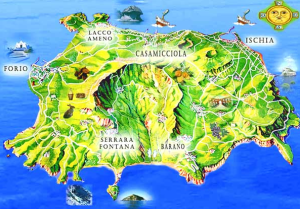

HOTELS in ISCHIA & WORLDWIDE
AIRLINE FLIGHTS
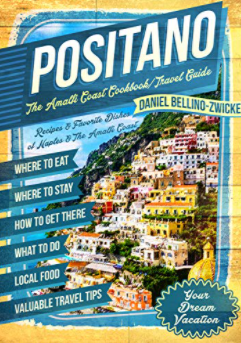
POSITANO The AMALFI COAST
TRAVEL GUIDE = COOKBOOK

THINGS to DO in ISCHIA
CAPRI POSITANO The AMALFI COAST
SORRENTO NAPLES & POMPEII

BESTSELLING ITALIAN
COOKBOOK AUTHOR
LUNCH at BUCA di BACCO
POSITANO, ITALY
#Author #DanielBellinoZwicke